Featured
Table of Contents
The 5 stages of pain are denial, anger, bargaining, clinical depression, and acceptance. Every person experiences grief differently, and it is important to permit individuals to grieve in their own method. If you or a liked one is managing loss, it can be handy for more information about the grieving process.
It is necessary to keep in mind that the mourning procedure can be complicated, and it isn't the very same for everyone. These actions might not be complied with exactly, or other feelings might appear after you believed you were with the phases of grieving. Enabling area to experience sorrow in your very own means can aid you recover after loss.

It suggests that we experience five unique stages after the loss of an enjoyed one. These stages are rejection, anger, bargaining, depression, and lastly approval. In the initial stage of the mourning process, denial helps us reduce the overwhelming pain of loss. As we refine the reality of our loss, we are additionally attempting to make it through emotional discomfort.
Throughout this stage in grieving, our fact has actually moved entirely. We show on the experiences we've shared with the individual we shed, and we may locate ourselves questioning exactly how to move forward in life without this person.
How Top Performers Deal with Emotional Wellness Challenges
Rejection is not just an attempt to pretend that the loss does not exist. We are additionally attempting to soak up and comprehend what is taking place. The second stage in grieving is anger. We are trying to change to a brand-new reality and are most likely experiencing severe emotional discomfort. There is so much to process that temper might seem like it allows us a psychological outlet.
Anger additionally tends to be the first point we really feel when starting to release feelings connected to loss. This can leave us feeling isolated in our experience.
During negotiating, we have a tendency to concentrate on our personal mistakes or remorses. We may recall at our communications with the individual we are shedding and note constantly we felt separated or might have triggered them discomfort. It prevails to recall times when we might have claimed things we did not imply and want we can return and act in a different way.
During our experience of processing despair, there comes a time when our imaginations relax down and we slowly start to take a look at the reality of our present circumstance. Bargaining no longer seems like an alternative and we are faced with what is taking place. In this stage of grieving, we begin to really feel the loss of our loved another perfectly.
Internal Family Systems Therapy: Understanding Your Internal Parts
In those moments, we often tend to draw inward as the unhappiness expands. We could discover ourselves retreating, being much less friendly, and getting to out much less to others concerning what we are going via.
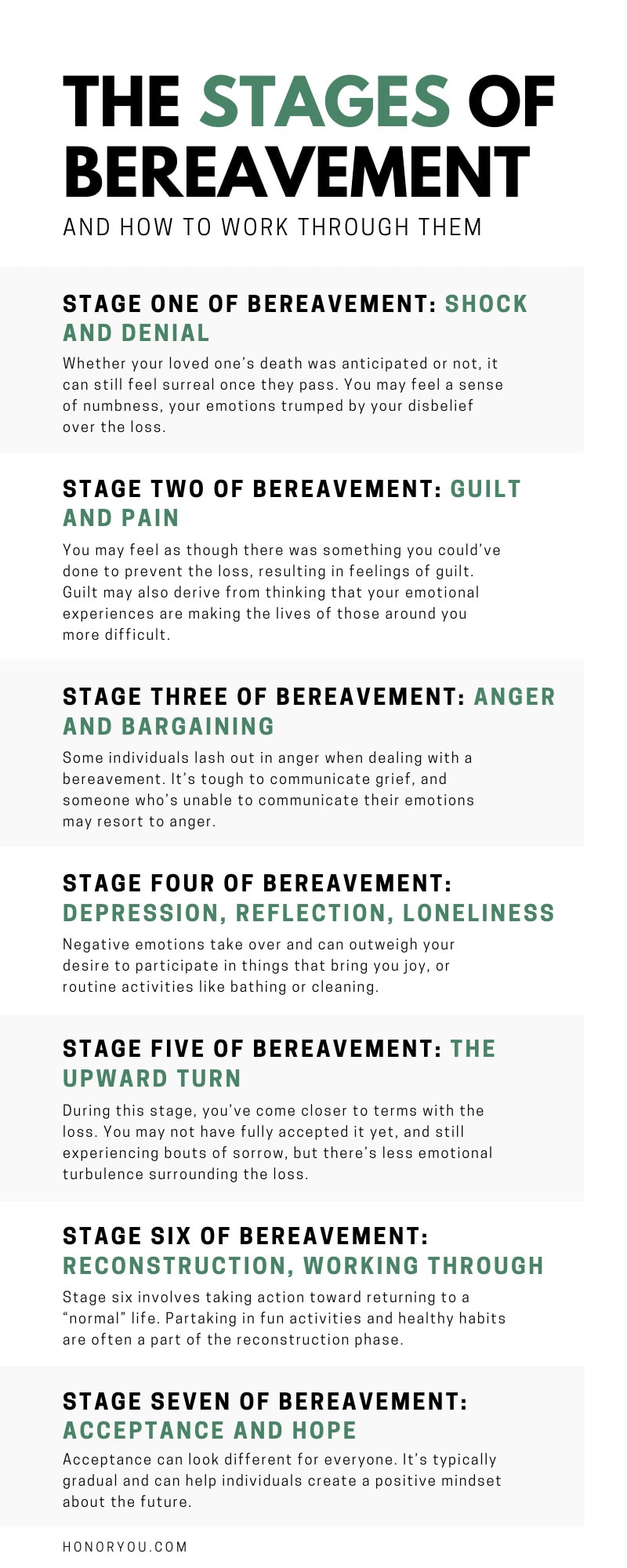
, it is not that we no much longer feel the pain of loss. Instead, we are no much longer standing up to the fact of our circumstance, and we are not battling to make it something different.
There is no details time period for any of these stages. One person might experience the stages promptly, such as in an issue of weeks, whereas one more individual might take months or also years to move through the stages of grieving. Whatever time it takes for you to relocate with these phases is flawlessly typical.
From Survival Mode to Sustainable Success
So, you may or may not undergo each of these stages or experience them in order. The lines of the grieving process stages are often obscured. We might also relocate from one phase to one more and possibly back once again before fully relocating into a brand-new phase. Your pain is one-of-a-kind to you, your partnership to the individual you lost is distinct, and the emotional handling can really feel various to each individual.
These designs can give higher understanding to individuals who are harming over the loss of an enjoyed one. They can additionally be utilized by those in healing professions, assisting them to provide effective treatment for grieving individuals that are looking for informed advice.
British psychoanalyst Colin Murray Parkes created a design of pain based on Bowlby's theory of attachment, suggesting there are 4 stages of mourning when experiencing the loss of a liked one:: Loss in this phase really feels difficult to approve. A lot of very closely related to Kbler-Ross's phase of rejection, we are overwhelmed when trying to deal with our emotions.
: As we refine loss in this stage of grief, we might start to try to find comfort to fill deep space our liked one has actually left. We might do this by experiencing again memories via photos and seeking signs from the person to really feel connected to them. In this phase, we come to be very preoccupied with the person we have lost.
Transformation: Professional Life Post Trauma Therapy

The realization that our liked one is not returning really feels real, and we can have a tough time understanding or locating hope in our future. We may really feel a little bit pointless during this part of the mourning process and hideaway from others as we process our pain.: In this stage, we really feel more enthusiastic that our hearts and minds can be restored.

Latest Posts
Emotional and Somatic Approaches for Managing Trauma
Polyvagal Balance for Healthcare Workers in San Francisco
The Evidence Of Dynamic Psychotherapy for Child therapy